
Art Specification: When Should Artwork Be Considered in an Interior Design Project?
For many interior design projects, artwork is one of the last elements to be selected. Walls are painted, furniture is installed, lighting is commissioned, and only then does the conversation turn to what will hang on the walls.
While this approach is common, it often results in artwork becoming an afterthought rather than an integral part of the design scheme.
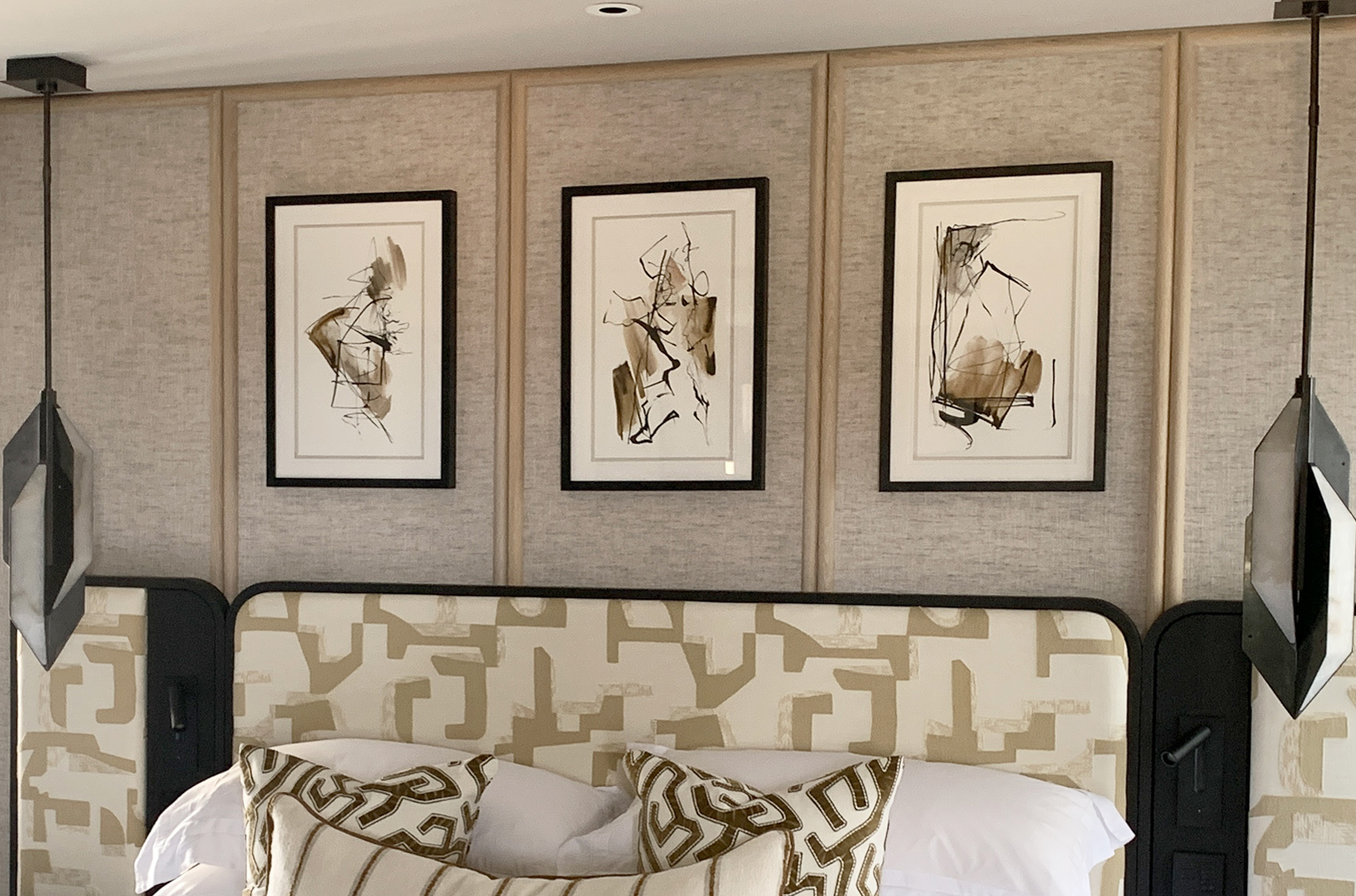
The most successful interiors don’t simply accommodate art—they are designed with it in mind from the beginning. Whether it’s a luxury residence, hospitality project, show home, or commercial space, considering artwork early in the design process can lead to stronger outcomes, greater cohesion, and a more impactful finished environment
Why Art Should Be Considered Earlier
Artwork has the power to influence how a space feels, functions, and is experienced. Yet unlike furniture, lighting, or materials, it is often specified much later in a project timeline.
When artwork is introduced too late, designers can face challenges such as:
- Limited placement options
- Incorrect scale and proportions
- Missed opportunities for bespoke commissions
- Artwork that feels disconnected from the overall scheme
- Budget constraints caused by late-stage decisions
By considering artwork earlier, designers gain far greater creative control and flexibility
The Concept Stage: Establishing the Vision
The ideal time to begin thinking about artwork is during the initial concept phase.
At this stage, designers are already defining:
- Colour palettes
- Materials and finishes
- Architectural features
- Furniture direction
- Overall mood and atmosphere
Artwork should be part of this conversation.
Rather than asking “What artwork should go here?” at the end of the project, designers should consider:
- What role will artwork play?
- Will it create focal points?
- Should it introduce texture or colour?
- Does it need to reinforce a particular narrative or brand identity?
These decisions help shape a more cohesive design scheme from the outset
During Space Planning
Artwork is not simply a decorative element—it occupies physical space.
Large-scale pieces, feature installations, and sculptural works often require consideration during the planning stages.
This is particularly important in:
- Hotel lobbies
- Reception areas
- Show homes
- Luxury residential properties
- Communal residential spaces
Early planning ensures artwork is properly integrated into sightlines, circulation routes, furniture layouts, and architectural features.
In many cases, the most successful artwork feels as though it was designed alongside the space itself
When Developing Material Palettes
One of the biggest advantages of bespoke art is its ability to respond directly to the materials used throughout a project.
By discussing artwork early, artists and designers can create pieces that complement:
- Natural stone finishes
- Timber detailing
- Metal accents
- Soft furnishings
- Architectural textures
This is particularly relevant for mixed-media and relief artworks, where materiality plays a significant role in the finished result.
The goal is not for artwork to match the interior—but to belong within it.
Before Finalising Lighting Design
Lighting dramatically affects how artwork is perceived.
The texture of a relief artwork, the finish of a mixed-media piece, or the colours within a painting can all change depending on lighting conditions.
Considering artwork before lighting plans are finalised allows designers to:
- Highlight key pieces effectively
- Incorporate picture lighting where appropriate
- Create shadow and depth with textured works
- Avoid unwanted reflections and glare
Artwork and lighting should work together rather than being considered separately.